Article
How should I record a recurring roof leak?
Keep one Google Doc or phone note for the leak. Add a line when it leaks and when someone works on it, and save the photos every roofer sends. A few dated lines are enough.
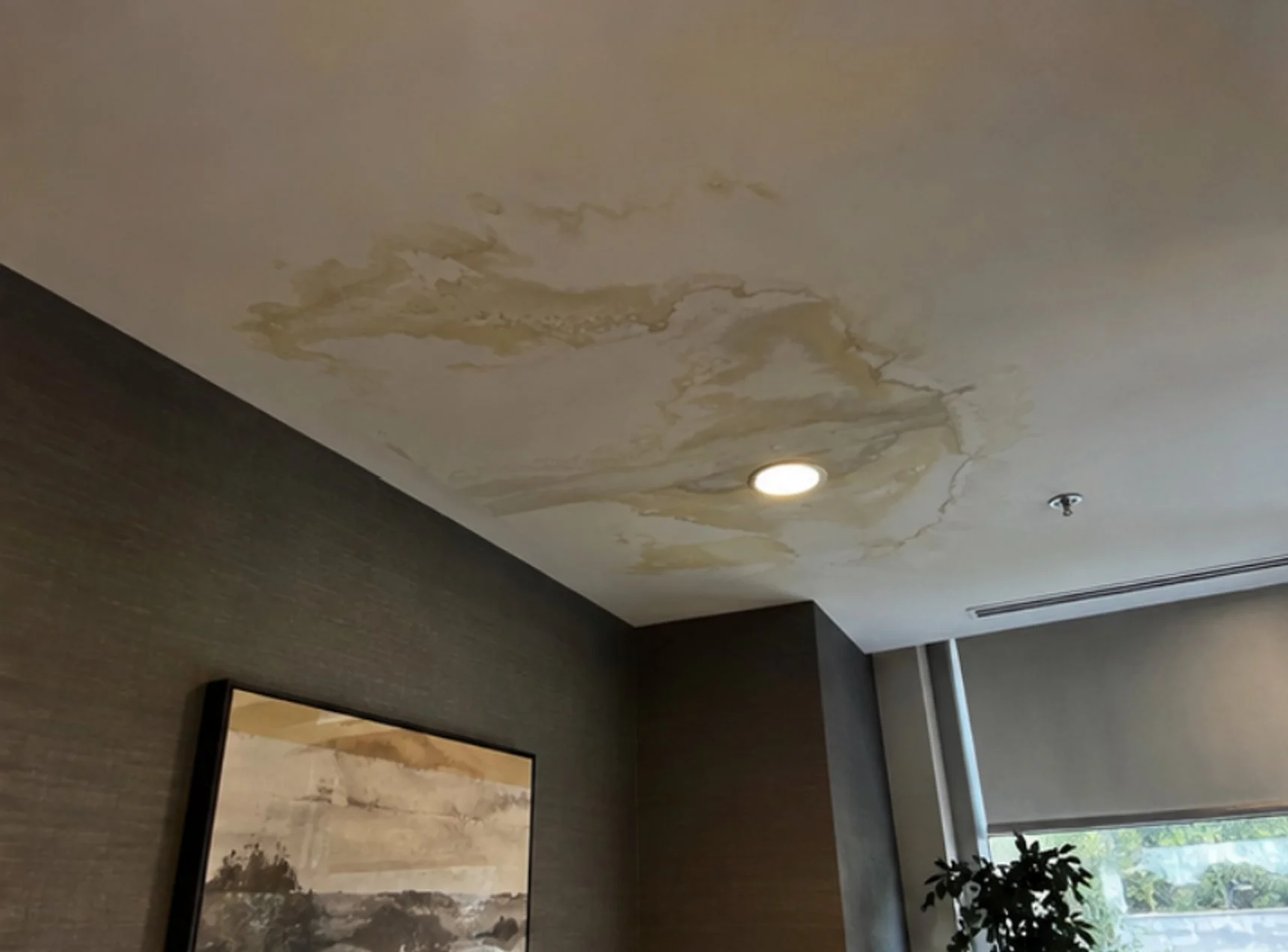
A leak that keeps coming back is hard to keep track of. The easiest way is one Google Doc, or one note in Apple Notes, just for that leak.
Add a line when it leaks. Add a line when someone works on it. Save the photos every roofer sends you.
It does not have to be neat. A few dated lines are enough. And you do not need it before you call anyone. If it is leaking now, get help first.
If it is leaking right now
Do not stop to write anything down. Roof Service sends a technician to find where the water gets in and seal it. $395 covers 2 hours of work, with sealant and small patches included.
When you book, choose when:
- Within 6 hours: day or night, for $250 more.
- Pick a day: at a time set with you on the call. A weekend visit is $250 more.
Book on the Roof Service booking page. You get a call within 2 hours of booking.
What to write down
When it leaks: the date, where the water came in, and what the weather was doing. Heavy rain, light rain, or windy rain.
When someone works on it: the date, who it was, what they did, and what they said was wrong. Save their name and phone number.
That last part matters most. If we have the name of the last roofer, we can call them and find out what they actually did. A note that says who came out in December and what they put on the seam saves a lot of guessing on the roof.
Save the photos from every repair
Ask every roofer for photos of the work they did. A good roofer takes them anyway.
Some roofers send photos through CompanyCam, an app roofing companies use to share job photos. Download those photos and save them in your doc or a folder of your own. Do not rely on the link. The photos sit in the roofer’s account, and if they stop paying for it, you can lose access to them.
What a note looks like
This one is made up, to show how little it takes. It is titled “Suite 104, back office, left of the light by the window”:
- Nov 14: Heavy rain, windy. Dripping by morning.
- Dec 10: Roofer A put mastic on a seam above the stain. Said the seam was open. Photos and number saved.
- Jan 8: Heavy rain, windy. Dripping again, same spot.
- Apr to Sep: Dry. Nothing.
- Oct 1: First big storm. Dripping again.
Five lines, and a roofer can already see three things:
- It leaks in windy rain.
- The mastic did not hold.
- The quiet summer did not fix it. It just did not rain.
Watch how the stain changes
A stain that keeps coming back grows a new ring, darkens, or spreads toward a wall. You see it every day, so the change is easy to miss.
After each leak, take a photo from the same spot and drop it in your doc. What photos to send a roofer covers what makes a photo useful.
How a roofer uses it
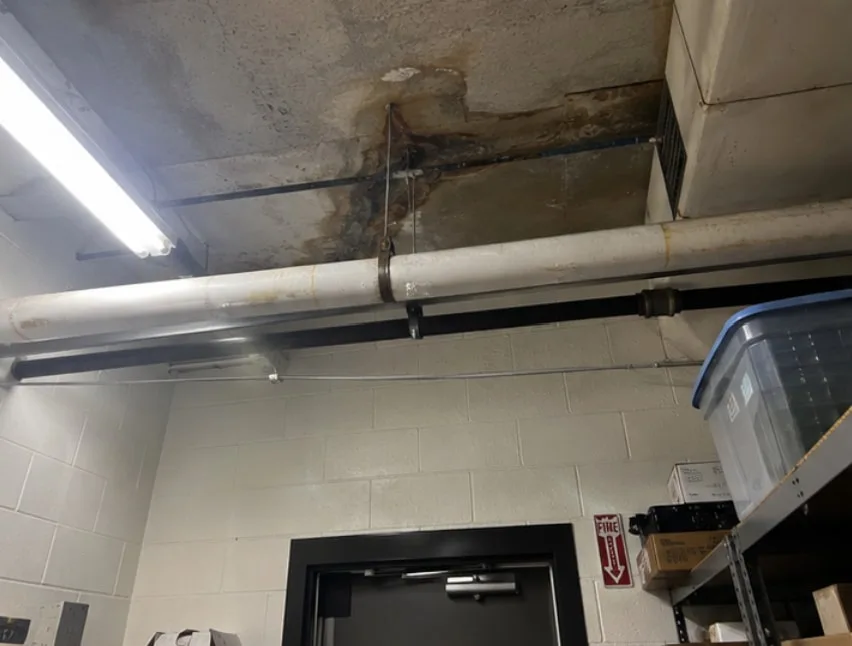
Our roofers start inside at the stain, then work outward on the roof. Your notes tell them where to look first.
The weather points to a part of the roof. A leak that only comes with wind from one side points toward the roof edge or wall on that side. Why a flat roof leaks in wind-driven rain explains why. A leak on warm, dry days while the air conditioning runs is often the rooftop HVAC unit, not the roof.
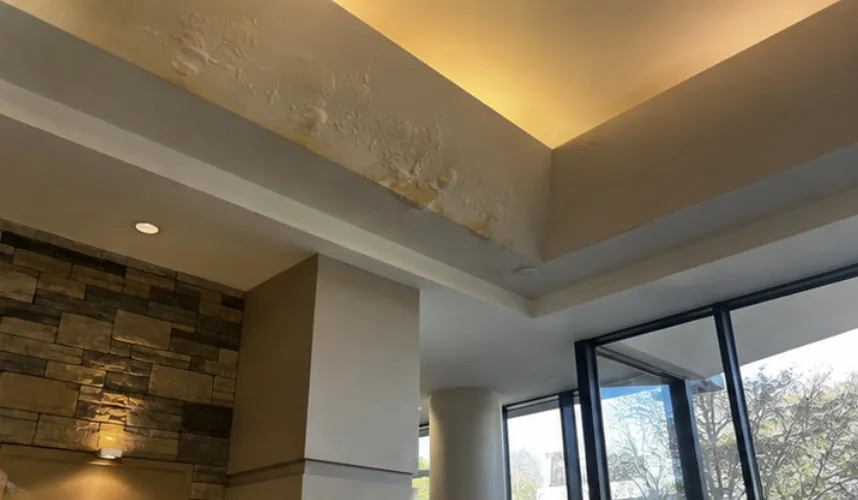
The repairs show what has been tried. If two patches went on the same seam and it still leaks, the water is probably getting in somewhere else. Why does my flat roof keep leaking in the same spot? covers why that happens.
The dry months matter. In the Pacific Northwest, a leak can go quiet from spring through summer. If it stopped in April and came back with the first fall storm, it was waiting for rain, not fixed.
Once FRSG has been on the roof
From then on, you do not have to keep track yourself. Every visit we make comes with a Service Record: what we found, what we did, and photos. They all sit behind one link, so you can see every visit to that building in one place.
Your doc is for everything before that.
Common questions
Do I need notes before I call a roofer?
No. A roofer can find a leak without them. If water is coming in, call first.
Where should I keep the notes?
Anywhere you will actually open again. A Google Doc is easy to share with the owner or a building engineer. A note in Apple Notes is fine if it is just you.
I never wrote anything down. Is it too late?
No. Write what you remember, roughly: “first noticed last winter,” “patched sometime in spring.” Old invoices and emails fill in who came out and when.
The roofer sent photos in an app. Do I need to save them?
Yes. Download them and keep your own copy. If the roofer stops paying for the app, the link can stop working.
The last roofer did not tell me what they did. What do I write?
Their name and number, and the date they came out. We can call them and ask.
Should I write down when it does not leak?
If you notice it, yes. “Heavy rain all day, nothing” helps show which weather sets it off.
Thanks for your feedback.
About FRSG
Flat Roof Systems Group (FRSG) is a commercial flat-roof repair contractor serving Property Managers across Oregon and Washington. FRSG starts with a free Drone Check, fixes leaks and clears roofs with Roof Service, makes permanent Roof Repairs with clear documentation and predictable pricing, and proposes a Full Reroof only when repairing would cost more than it saves, with RoofCare to look after the new roof for up to 15years. Every repair ends with a Service Record: the problem reported, the work done, and photographs of the roof as FRSG left it.